
Strategically located at the crossroads of South America, Bolivia is emerging as one of the region’s most compelling frontier markets—rich in natural resources, culturally diverse, and increasingly open to global investment. Long recognized for its vast reserves of lithium, natural gas, and critical minerals, the country is now taking steps to translate this resource wealth into sustainable economic growth and industrial development.
Telecommunications
Bolivia’s telecommunications sector has expanded significantly over the past two decades, becoming a key driver of economic development, financial inclusion and digital transformation. Mobile connectivity now reaches most urban centres and a growing share of rural communities, supported by public and private investment in network infrastructure. Internet access continues improving through fibre-optic expansion and rising mobile broadband adoption. A mix of state-owned and private operators fosters healthy competition, encouraging continued investment in network upgrades and digital services. The government has prioritised extending connectivity to underserved regions, aiming to reduce the digital divide and improve access to education, healthcare and public services. Telecommunications increasingly underpin Bolivia’s digital economy, as e-commerce, fintech, digital banking and online education drive demand for reliable, high-speed connectivity. Businesses are investing in cloud computing, cybersecurity and digital infrastructure to boost productivity and competitiveness. Looking forward, opportunities remain in fibre deployment, data centres, rural broadband and 5G readiness, requiring sustained collaboration between government, regulators and private stakeholders.

Mining
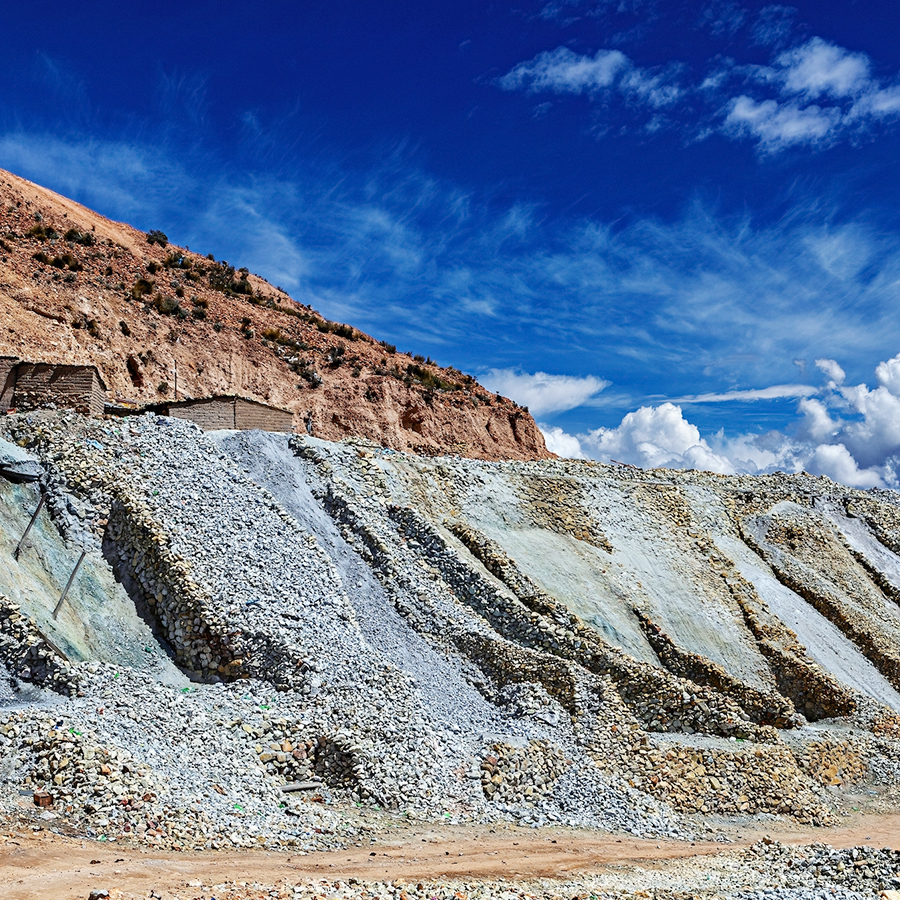
Bolivia’s mining sector is one of the pillars of the national economy and has played a central role in the country’s development for centuries. The country is internationally recognized for its rich mineral reserves, particularly silver, tin, zinc, gold, and lithium. The historic Cerro Rico mine in Potosí remains a symbol of Bolivia’s mining heritage and one of the world’s most important silver deposits. In recent years, lithium extraction from the Uyuni Salt Flats has gained global attention because Bolivia possesses some of the largest lithium reserves in the world, essential for battery and electric vehicle production. Mining contributes significantly to exports, employment, and regional development, especially in departments such as Potosí, Oruro, and La Paz. The sector combines state-owned companies, private investment, and mining cooperatives. Despite strong potential, Bolivia still faces challenges related to infrastructure, environmental management, technology, and attracting foreign investment while ensuring sustainable and socially responsible mining practices.
Hydrocarbons
Bolivia’s hydrocarbons sector is a strategic component of the national economy and one of the country’s main sources of export revenue. The sector is centered on the production and export of natural gas, which has historically been supplied to neighboring countries such as Brazil and Argentina through major pipeline networks. Bolivia possesses important natural gas reserves located mainly in the departments of Tarija, Santa Cruz, and Chuquisaca. State-owned company Yacimientos Petrolíferos Fiscales Bolivianos (YPFB) plays a leading role in exploration, production, refining, and commercialization activities, often in partnership with international energy companies. The hydrocarbons industry has contributed significantly to public revenues, infrastructure development, and social programs. In recent years, Bolivia has sought to diversify its energy matrix, increase investment in exploration, and develop petrochemical industries to add value to natural gas production. However, the sector also faces challenges related to declining reserves, market fluctuations, environmental concerns, and the need for new foreign investment and technological modernization.

Infrastructure
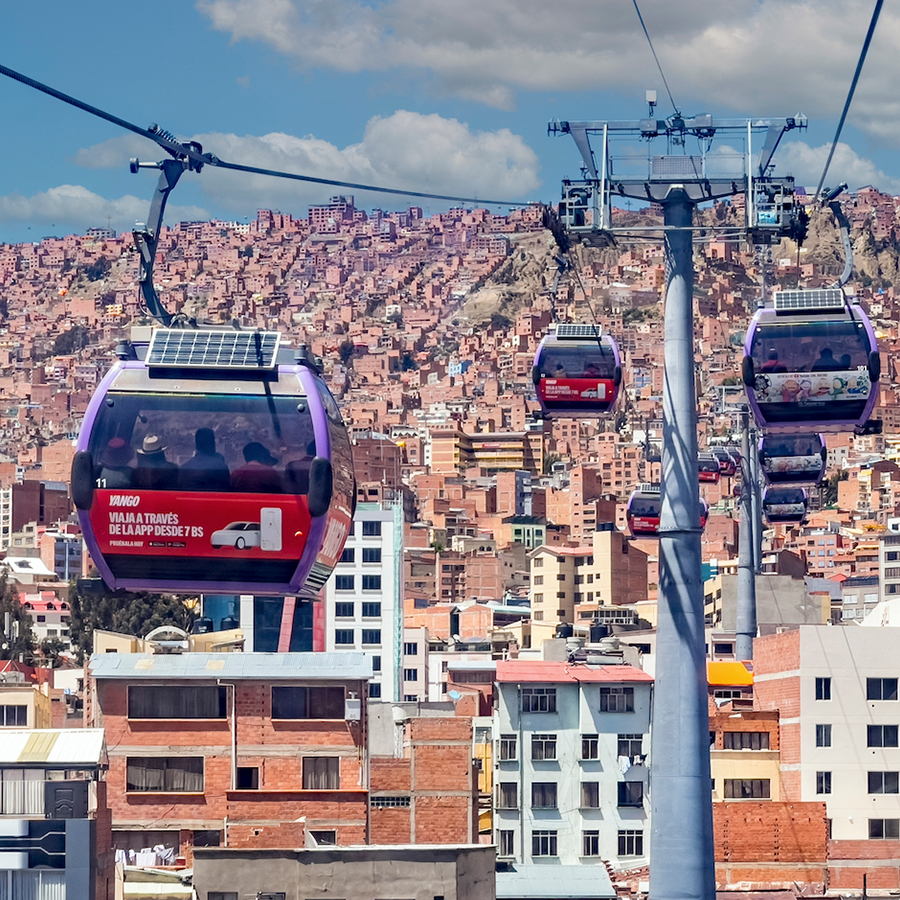
Bolivia’s transport and telecommunications sectors have experienced important growth in recent decades, contributing to national integration and economic development. The transport sector includes an expanding network of highways, railways, airports, and river routes that connect the country’s diverse geographic regions, from the Andes to the Amazon basin. Major infrastructure projects have improved trade and mobility, particularly along international corridors linking Bolivia with Brazil, Chile, Peru, and Argentina. Air transportation has also developed through the modernization of airports and the expansion of domestic and regional flights. In telecommunications, Bolivia has significantly increased internet and mobile phone coverage, especially in urban areas. The state-owned company ENTEL has played a key role in expanding digital connectivity and fiber-optic infrastructure nationwide. Telecommunications services support education, commerce, banking, and public administration. Despite notable progress, both sectors still face challenges related to rural connectivity, infrastructure maintenance, technological modernization, and investment needed to improve efficiency, accessibility, and digital inclusion across the country.
Banking and Finance
Bolivia’s banking sector has shown steady growth and increasing stability over the past two decades, becoming an important pillar of the national economy. The financial system is regulated by the Autoridad de Supervisión del Sistema Financiero (ASFI), which oversees banks, credit institutions, and financial services to maintain transparency and security. Commercial banks have expanded access to credit, savings accounts, and digital financial services for individuals and businesses across the country. The sector has benefited from macroeconomic stability, relatively low inflation, and rising financial inclusion, particularly through mobile banking and electronic payment systems. Microfinance institutions also play a significant role by supporting small businesses, rural communities, and entrepreneurs who traditionally lacked access to formal credit. Bolivia’s banking system has maintained solid liquidity and capitalization levels, helping strengthen investor confidence. However, the sector still faces challenges related to rural banking access, technological innovation, cybersecurity, and adapting to changing international financial regulations and economic conditions.


Tourism
Bolivia is a mesmerizing, landlocked South American nation renowned for its breathtaking, diverse landscapes and proud indigenous heritage. From the surreal, mirror-like Salar de Uyuni and the heights of Lake Titicaca to the Amazon basin, its eco-diversity is staggering. The culture is deeply rooted in Aymara and Quechua traditions.Bolivians fiercely preserve their ancestral customs, seamlessly blending them with Spanish colonial history. This duality is wonderfully expressed through vibrant folk dances like the Diablada at the Oruro Carnival, colorful textiles, and daily rituals honoring Pachamama (Mother Earth).Travelers seeking to immerse themselves in this authenticity often take guided walking tours through bustling markets, travel via the world’s highest cable car systems, and taste regional cuisine like salteñas.To start planning your itinerary or read more about the country’s traditions, be sure to check the complete Bolivia Culture Guide or read up on Tourism in Bolivia to discover everything this incredible destination has to offer.