
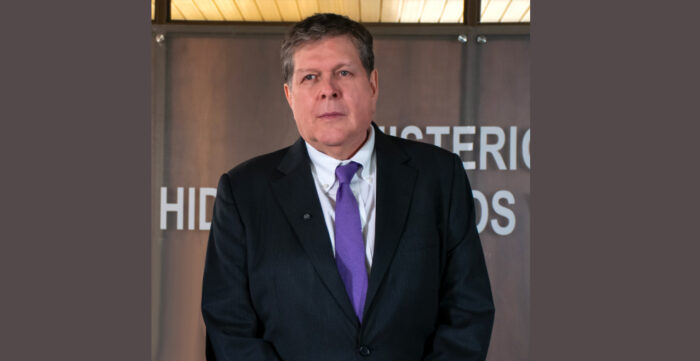
Interview with Marcelo Blanco Quintanilla, Minister of Hydrocarbons and Energy of Bolivia
"For us, non-conventional renewable energies are vital because, in the short term, the only way to overcome the energy crisis that Bolivia has — or rather, could have, as we hope and are confident that we will not have it — is through renewable energies, because they have an immediate impact and are short-term solutions."
13 September, 2026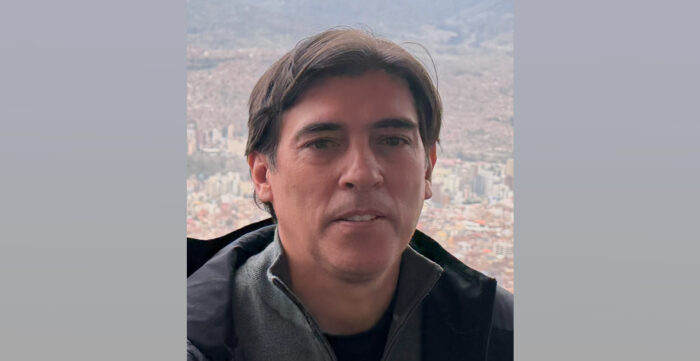
Interview with Mauricio Zamora Liebers, Minister of Public Works, Bolivia
"Connectivity is not just about building a road, nor is it about having roads where things were done poorly due to bad planning. A road is useless if it is not maintained and that is the major problem we have. We already have a road infrastructure crisis precisely because proper maintenance was not carried out."
12 September, 2026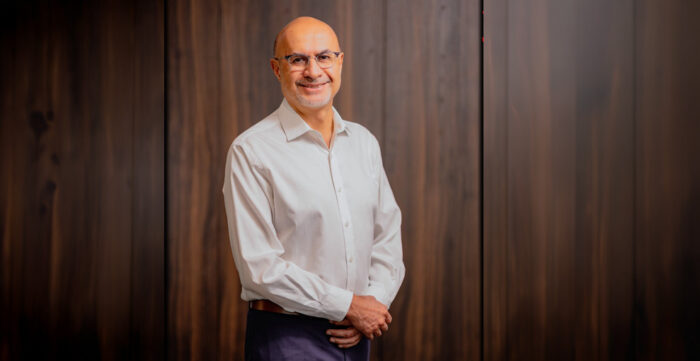
Interview with Mr. José Luis Lupo, Minister, Ministry of Presidency, Bolivia
"Ideology does not feed people. We are a pragmatic government, oriented toward results, seeking efficiency and transparency in management. In other words, there is no corruption, there are results. We are accountable to society because that is why we have been placed in our positions, but above all, we are pragmatic in order to achieve results that benefit the people."
10 July, 2026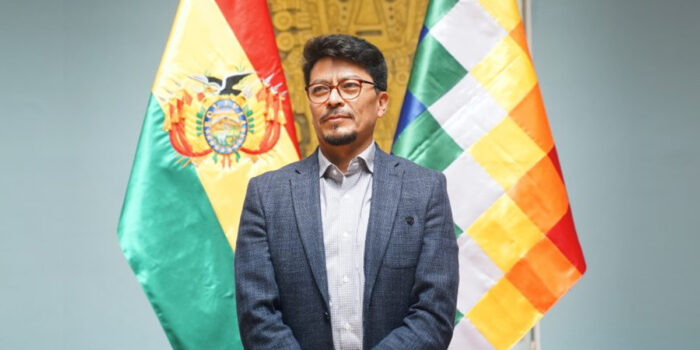
Interview with Fernando Amaraya, Ministry of Foreign Affairs Bolivia
"If we can provide legal certainty, economic predictability and social peace, we will once again become attractive for foreign direct investment. Unlike many countries, our resources remain largely untapped: lithium, gold, beryllium, cadmium, niobium, indium — we hold the world’s largest indium reserves. "
09 July, 2026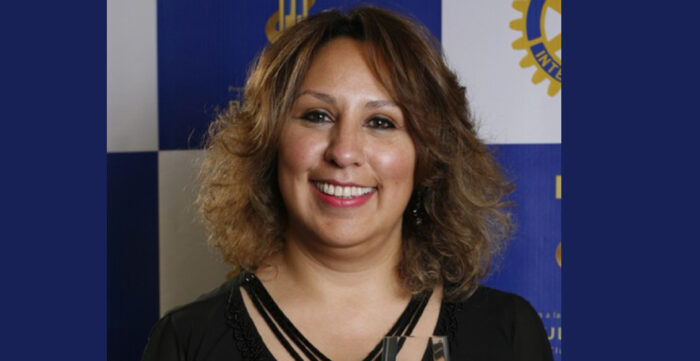
Interview with Cynthia Yañez Eid, Minister of Sustainable Tourism, Cultures, Folklore and Gastronomy
"One of the things that I believe has been happening in Bolivia in recent years is that gastronomy has taken off on its own, without much support. However, some prominent figures have begun to emerge — very interesting chefs who have received international recognition and awards. There are also products that are becoming widely known, such as coffee and high-altitude wine, for example."
08 July, 2026
Interview with Mr. José Gabriel Espinoza, former Minister of Economy and Public Finance, Bolivia
"Bolivia, and South America more broadly, has significant logistical potential. We can connect the Pacific and Atlantic efficiently. We also have the capacity to supply essential raw materials for global value chains, including minerals and food. Additionally, we can produce both fossil and renewable energy, including hydroelectric and solar power. In a global context where the key question is who can sustain reliable supply and value chains, the
07 July, 2026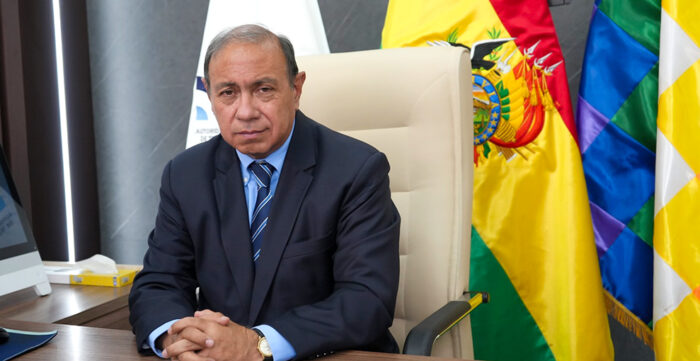
Interview with Carlos Alberto Agreda Lema, Executive Director, Authority for the Regulation and Oversight of Telecommunications and Transport (ATT), Bolivia
"Bolivia has traditionally been a country open to the world. President Paz has reflected this through a slogan that says: “Bolivia to the world and the world to Bolivia.” What had not taken place in recent years is now becoming almost a mantra, a necessity for the country moving forward."
06 July, 2026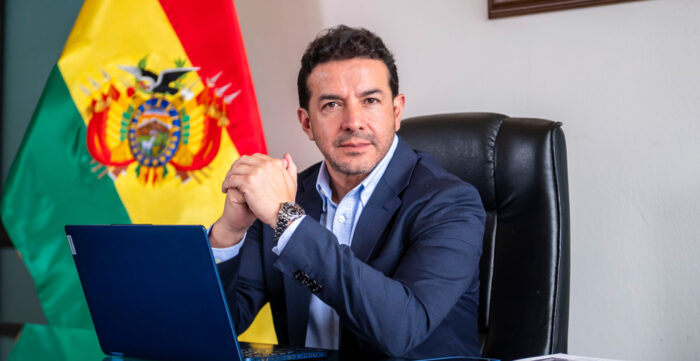
Interview with Ernesto Farfán, Executive Director of the Bolivian Highway Administration (ABC)
"This is not merely a technical matter involving slopes, shoulders, or asphalt layers. It is about ensuring that food reaches the table and that people are able to move freely. That is why we are preparing so that those who come to Bolivia — whether to explore the country or to invest — will find a strong road system, a regulatory framework that guarantees investment security and a solid institution with which they can coordinate. "
06 July, 2026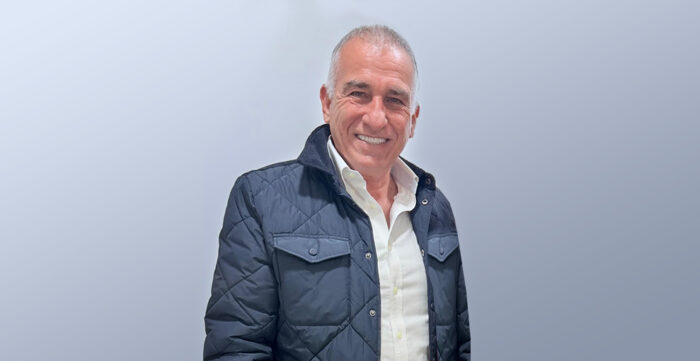
Interview with Mariano Aguilera Tarradelles, President of Guabirá
"Guabirá has evolved far beyond traditional sugar production, with the company now involved in beverages and enjoying a strong presence in energy and sustainability. How would you define the firm’s business model today and what are its main areas of expansion?"
17 June, 2026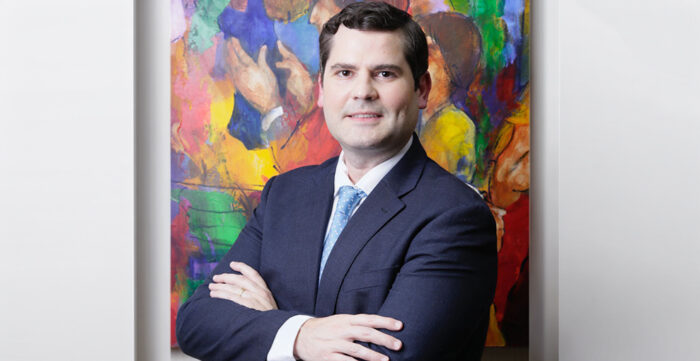
Interview with Mr. Jean Pierre Antelo, President of Cainco
"A large part of that traffic arrived through American Airlines’ direct flights. Currently, several airlines are interested in operating in Bolivia if the country moves forward with an open skies policy that allows direct connections with the US. Tourism represents an extremely important sector for the country, but so does the participation of US companies linked to industries such as energy, technology and business development, all of which requ
17 June, 2026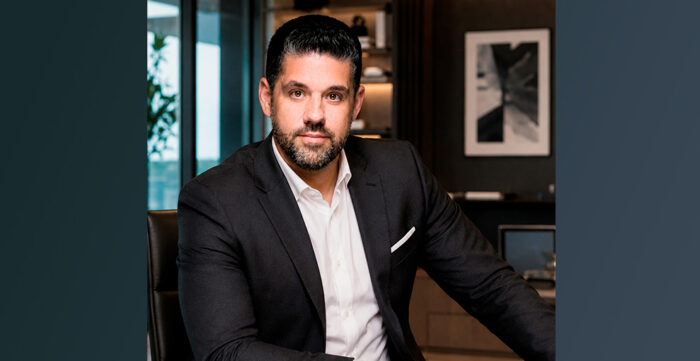
Interview with Ryan j. Alvarez, CEO of Viva Bolivia
"For the next two to three years, Bolivia remains my main focus because the network is critical — people only notice telecom when it fails. Our goal is to remove that pain point entirely and deliver a best-in-class experience that fully supports the digital ecosystem. "
14 June, 2026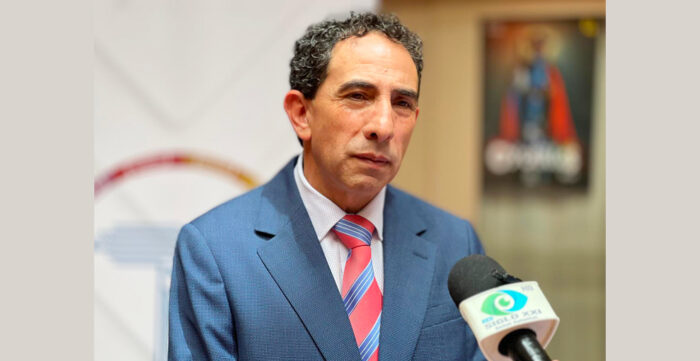
Interview with Christian Eduardo Rojas, Executive Manager of Mi Teleférico
"Bolivia mainly needs to capitalize on its natural and native attractions. We have high mountains, but also the Amazon region, where wildlife is immensely rich and still largely untouched. Everything related to sustainable tourism in Bolivia is completely natural, because we still have that possibility thanks to the fact that we have not developed our industries and lands in such an intensive way. Because of that, we can still fully enjoy nature.
20 May, 2026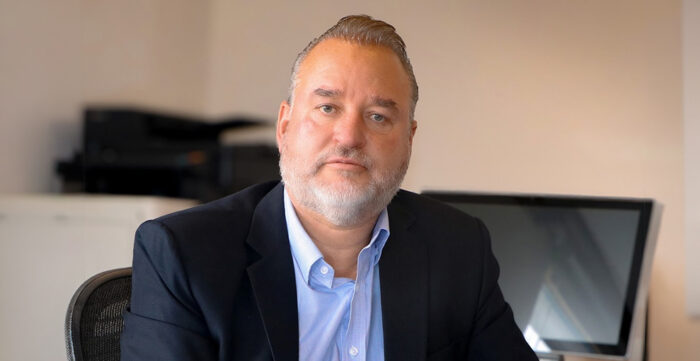
Interview with Jorge Francisco del Solar, General Manager of ENTEL Bolivia
"ENTEL is currently the only company in Bolivia offering 5G technology, which is an important milestone. We want people to be able to access and experience this technology, and I am confident that once they do, they will not want to go back."
15 May, 2026
